
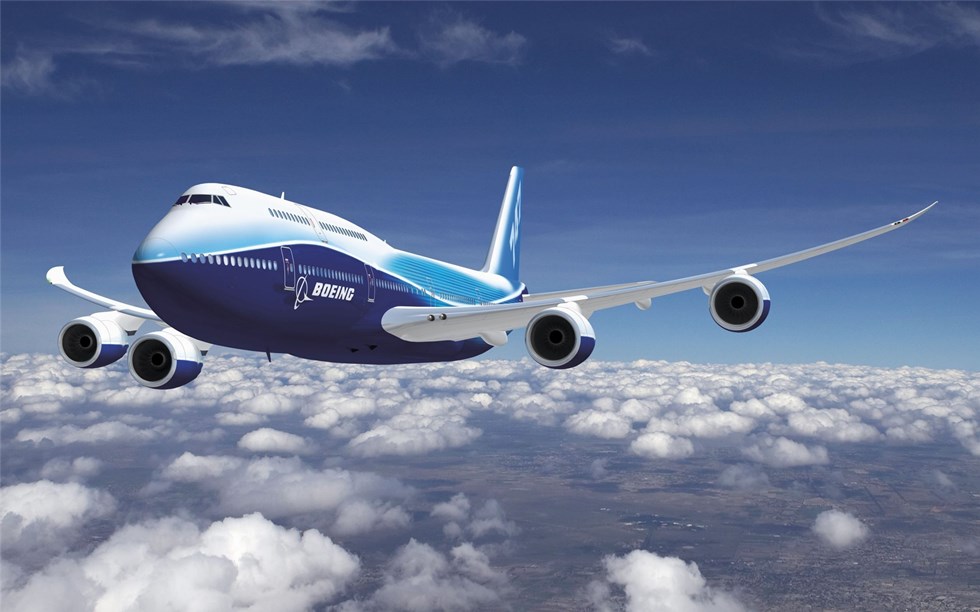
With a relaxed and happy mood and bags filled with unlimited expectations, the distinguished guests will gather at the airport on their own, and the transoceanic flight will take you to Tokyo, the capital of Japan.
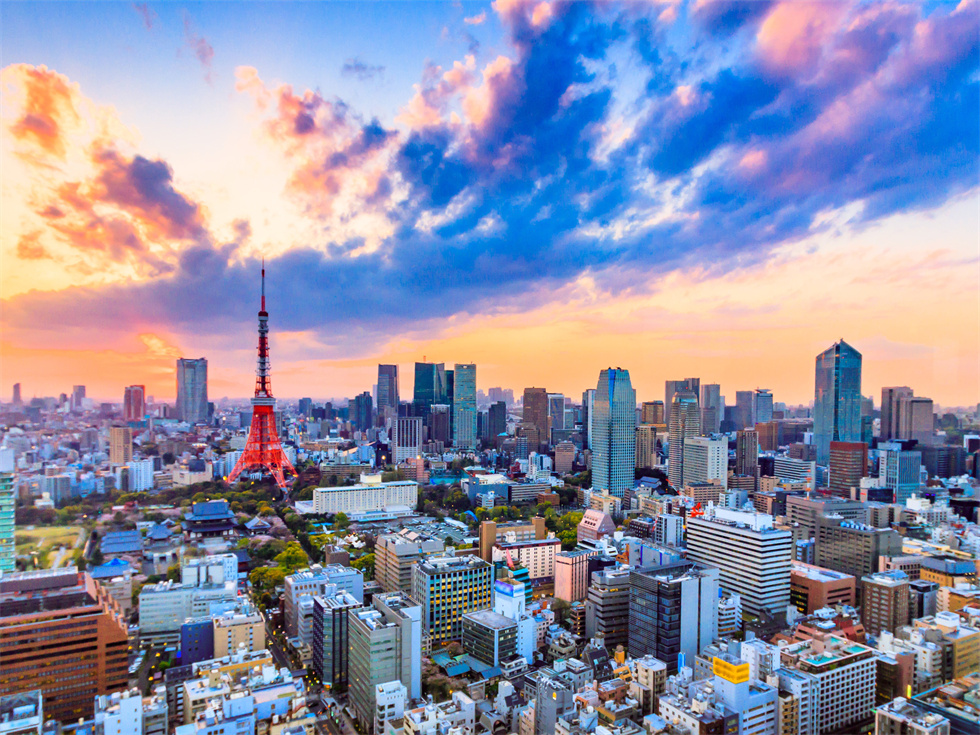
After you arrive at Tokyo Narita International Airport today, your tour guide will pick you up at the airport and then head to Tokyo, the largest city in Japan.
Check in at the hotel in the city, rest, and recharge for the wonderful journey ahead.
Itinerary:
Sensoji Temple (30 minutes) - Nakamise Shopping Street (30 minutes, overlooking Tokyo Skytree) - Imperial Palace Niju Bridge (30 minutes) - Ginza (80 minutes) - Meiji Shrine (40 minutes) - Omotesando (40 minutes) - Shinjuku Metropolitan Government Observation Deck (30 minutes) - Shinjuku Kabukicho (50 minutes) - Hotel - Tokyo Night View Tour (optional, 2 People form a group to experience the most classical Japanese culture and the most modern urban trends)
Tokyo night view tour itinerary:
Yakatabune Tour: See the scenery of Tokyo Bay, enjoy the Japanese hotpot and enjoy the song and dance show (60 minutes) → Visit Kanda Myojin and watch the Japanese cultural miscellany SHOW (60 minutes) → Climb Tokyo Tower to enjoy the night view of Tokyo (45 minutes)
Sensoji Temple + Nakamichi Shop Street Sensoji Temple + Nakamichi Shop Street
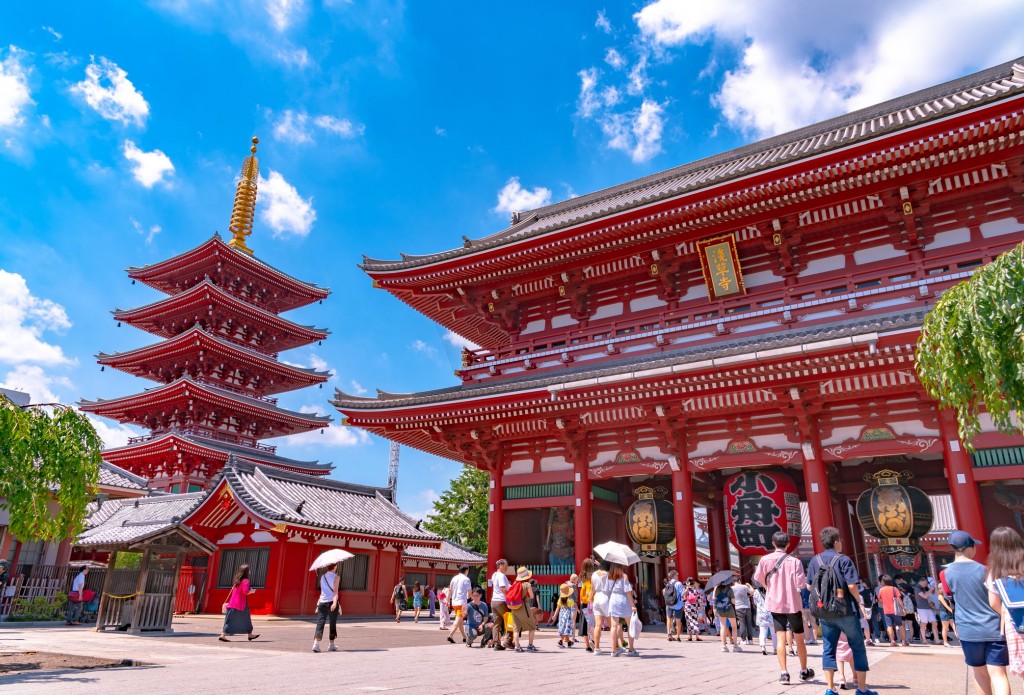
Sensoji Temple is a historic and popular temple in Tokyo with a history of more than 1,400 years. The main deity enshrined in Sensoji Temple is the Holy Goddess of Mercy. The symbol of Sensoji Temple is the Wind and Thunder Gate at the entrance. The Wind God and Thunder God guard the left and right sides. A huge lantern with the word "Thunder Gate" hanging on the gate is very impressive. Two huge straw sandals hang behind the door. Just inside the gate is the Nakamise Shopping Street leading to the temple square. There are many shops lined up filled with various Japanese-style small commodities. When you come to the main square of Sensoji Temple, you will see the Treasure Gate. From here, there is a stone pavement of about 100 meters, leading to the main hall dedicated to Guanyin. There is a huge incense burner in the square, and many people fan themselves with smoke to protect their health. The roof of the main hall is very distinctive, with an obvious slope, the ridge is quite high, and the structure is distinctive and eye-catching. Another exit not far to the east is called Ertianmen, which is a nationally designated important cultural property.
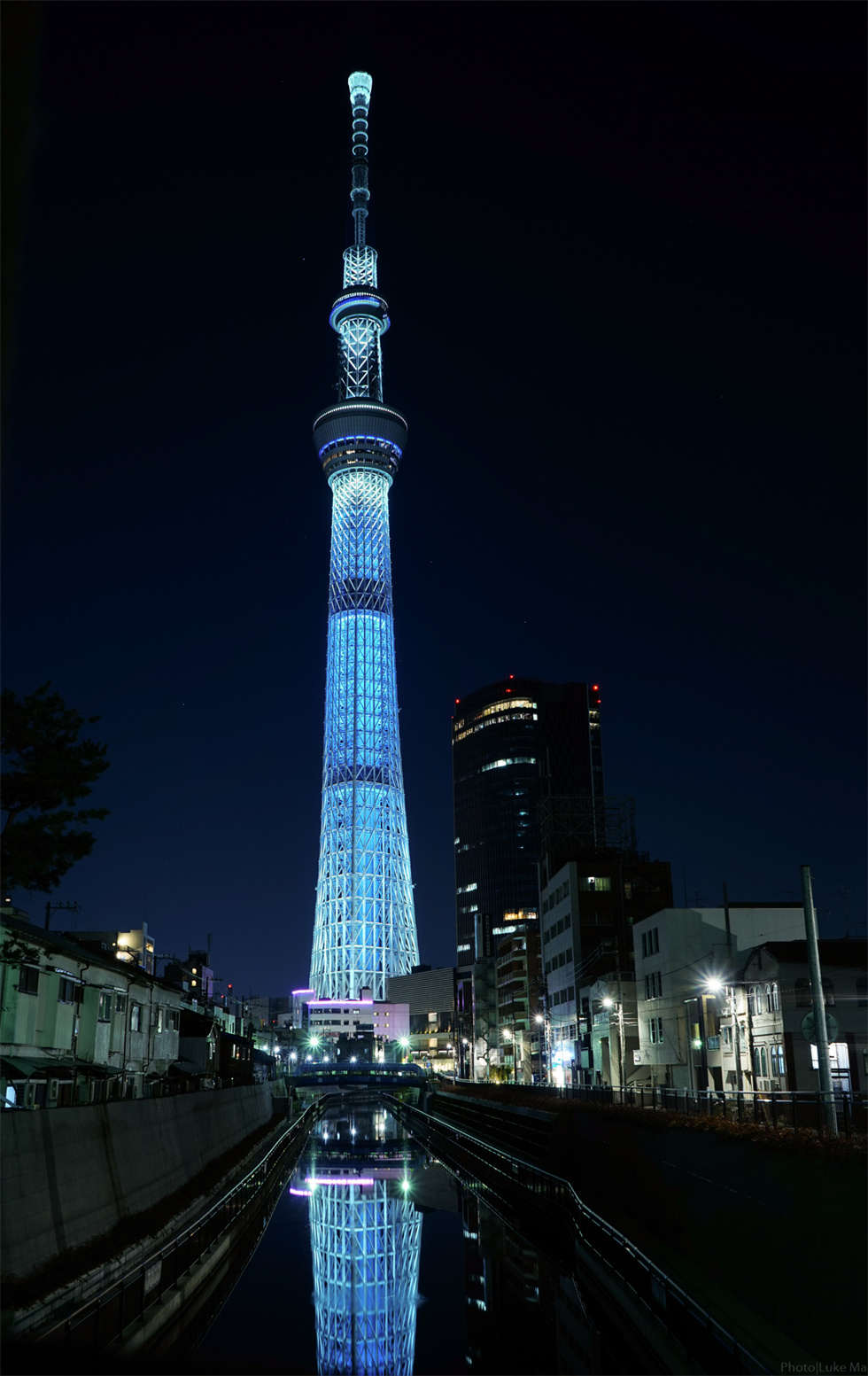
Tokyo Sky Tree (far view)Tokyo Sky Tree
Overlooking the world's tallest tower - Tokyo Skytree, with a height of 634 meters, the world's tallest. Tokyo Skytree is located near Asakusa, Kinshicho and Ryogoku on the east side of Tokyo. It used to be Tokyo's handicraft area, leaving behind the traditional Edo culture and retaining the hand-made technology of traditional Japanese crafts.
Imperial Residence Double Bridge Imperial Residence Double Bridge
The Imperial Palace is the palace where the Emperor of Japan lives. The Niju Bridge is located in front of the main entrance of the Imperial Palace and spans the inner moat. It is a recognized symbol of Japan.
GINZA
Known as "the most expensive place in Asia", it is a paradise for shoppers. It is one of the three most prosperous centers in the world along with the Champs Elysées in Paris and Fifth Avenue in New York. There are many large department stores nearby, and the world's first-tier brands gather there. There are 8 streets in Ginza, from 1-chome to 8-chome, running through Central Street, among which the 4-chome intersection is the most prosperous. Every Saturday and Sunday, from noon to evening, the main roads in Ginza are closed to vehicles and turned into a "walker's paradise."
Meiji Shrine Meiji Shrine
Founded in 1920, it is dedicated to the revered Emperor Meiji. It covers an area of nearly 70 hectares in Tokyo, where land is scarce, and is surrounded by a large forest. It is a veritable forest oxygen bar.
Omotesandou
Meiji Jingu Shrine connects Omotesando, as the birthplace of Japanese trends. On both sides of the 1-kilometer-long road, there are architectural works designed by masters such as Tadao Ando, Kazuyo Sejima, Ryue Nishizawa, and Kengo Kuma for major brands.
Shinjuku Metropolitan Government Building Observatory Tokyo Metropolitan Government Building Observatory
As the Tokyo Metropolitan Government Building, the 45th-floor observation deck offers a 360-degree view of Tokyo, the Asian metropolis, and Mount Fuji on a clear day. There is a detailed guide guide by the window of the observatory, so you can compare the scenery you see.
Opening hours: 08:00-17:00
Shinjuku Kabukicho Shinjuku Kabukicho
Tokyo's never-sleeping city - Shinjuku Kabukicho, appreciate the prosperity and luxury of Asia's largest city.
Tokyo night view tour itinerary (self-funded project, voluntary participation):
Yakatabune Tour: See the sights of Tokyo Bay, enjoy Japanese hot pot and dance performances (60 minutes) → visit Kanda Myojin and watch Japanese cultural miscellany SHOW (60 minutes) → climb Tokyo Tower to enjoy the night view of Tokyo (45 minutes)
Yakatabune Tour The yakatabune
On the houseboat, you can enjoy a delicious dinner carefully prepared for you. You can enjoy different singing and dancing talent performances on the upper and lower floors of the ship. In the cabin, you can watch traditional Japanese musical instrument performances and singing and dancing performances; on the top of the ship, you can enjoy modern musical instrument playing and singing and dancing performances. It combines traditional classics with modern modernity, giving you a triple enjoyment of taste, vision and hearing. At the same time, you can have a panoramic view of Tokyo Bay.
Kanda Shrine Kanda Shrine
From the moment of Kanda Myojin Torii, we began to understand Japan’s largest religion, Shintoism, and also began to purify our hearts and understand the meaning of the world. The performance of the shrine show allows us to understand the meaning of life and let us know how to face our life again.
Kanda Myojin Lucky Cat Kanda Shrine Lucky Cat
It is said that Kanda Myojin's lucky cat is very famous and has efficacious effects. Of course, you must also know what kind of Lucky Cat attracts wealth, which hand the Lucky Cat raises brings good luck, what color Lucky Cat attracts peach blossoms, etc.
Watch the Japanese variety show Watch the Japanese variety show
One of the must-see tracks at Kami Shrine.
Itinerary:
Oshino Hakkai (60 minutes) Mount Fuji fifth station (40 minutes) - Lake Kawaguchi (30 minutes) - Hamanako area hot spring hotels
Oshino Hakkai
"Oshino Hakkai" is a group of springs in Oshino Village between Lake Yamanaka and Lake Kawaguchi in Yamanashi Prefecture, Japan. Because there are eight clear springs scattered at random intervals, the melted snow water from Mount Fuji is filtered through the flowing formations. The average water temperature is 13 degrees, and the water quality is dry and sweet. It is known as the "Jiuzhaigou Valley of Japan".
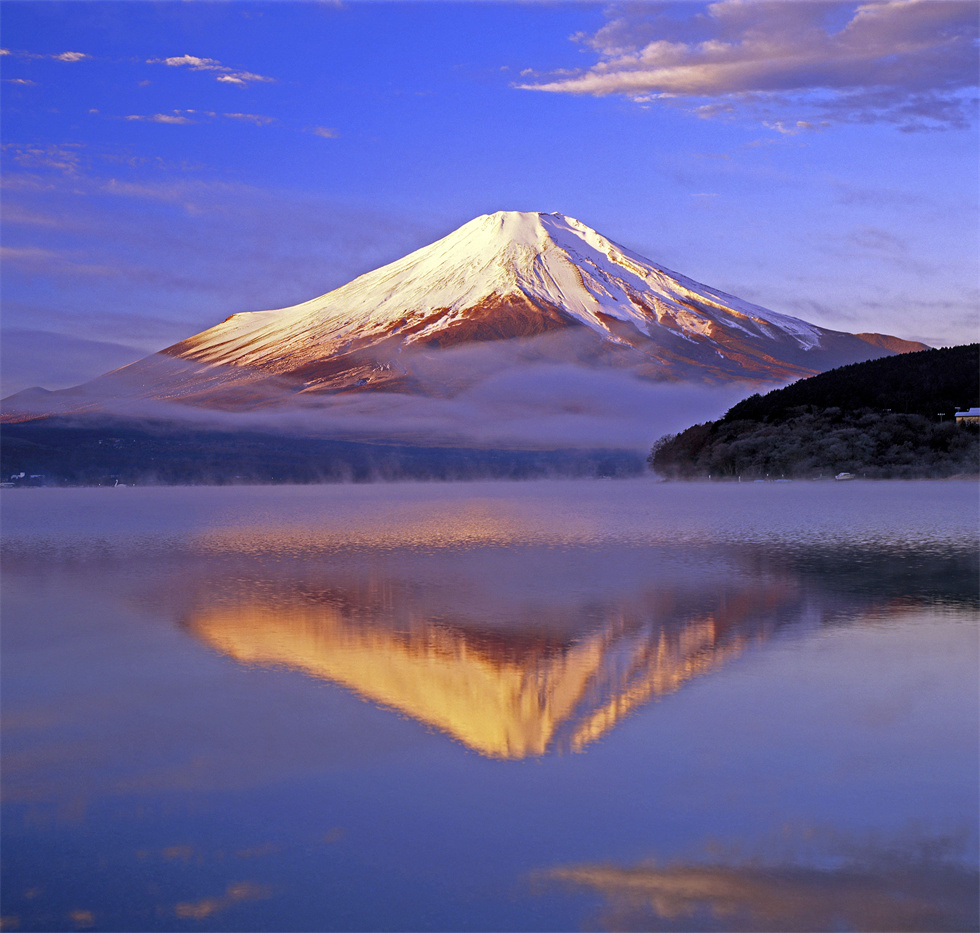
Fuji Hakone 5th Station
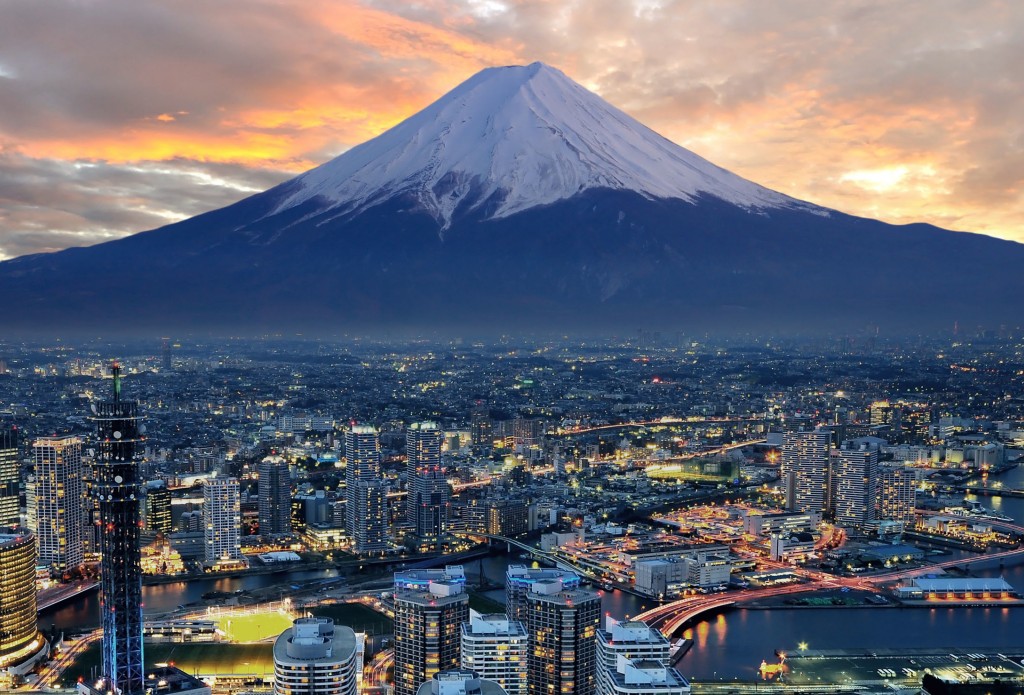
Located in the central and southern part of Honshu Island, it is one of the classic symbols of Japanese spirit and culture. In the hearts of Japanese people, it is a sacred mountain that contains natural charm, beauty and solemnity. The mountain is cone-shaped, and the top of the mountain is covered with snow all year round. (In case of mountain closure, go to Arakurayama Sengen Park instead)
Walk by the mouth of the lake
Around the foothills of Mount Fuji, there are five freshwater lakes, collectively known as the "Fuji Five Lakes". Take a closer look at the scenery of Mount Fuji on the shores of Kawaguchi Lake. The natural beauty shows different characters as the seasons change.
At the right time, drive to the hot spring hotel in Hamanako area, check in, and enjoy hot spring cuisine.
Special instructions:
During the maple leaf season from 10/21 to 11/18, the Lake Kawaguchi Maple Leaf Corridor will be added to the Lake Kawaguchi attractions. The landscape conditions are affected by the real-time weather and climate. Please refer to what you actually see. Please understand.
During the cherry blossom season from 3/19 to 4/24, cherry blossom viewing at Chidorigafuchi Moat will be added. The scenery is affected by the current weather and climate. Please refer to the actual view. Please understand.
。
Itinerary:
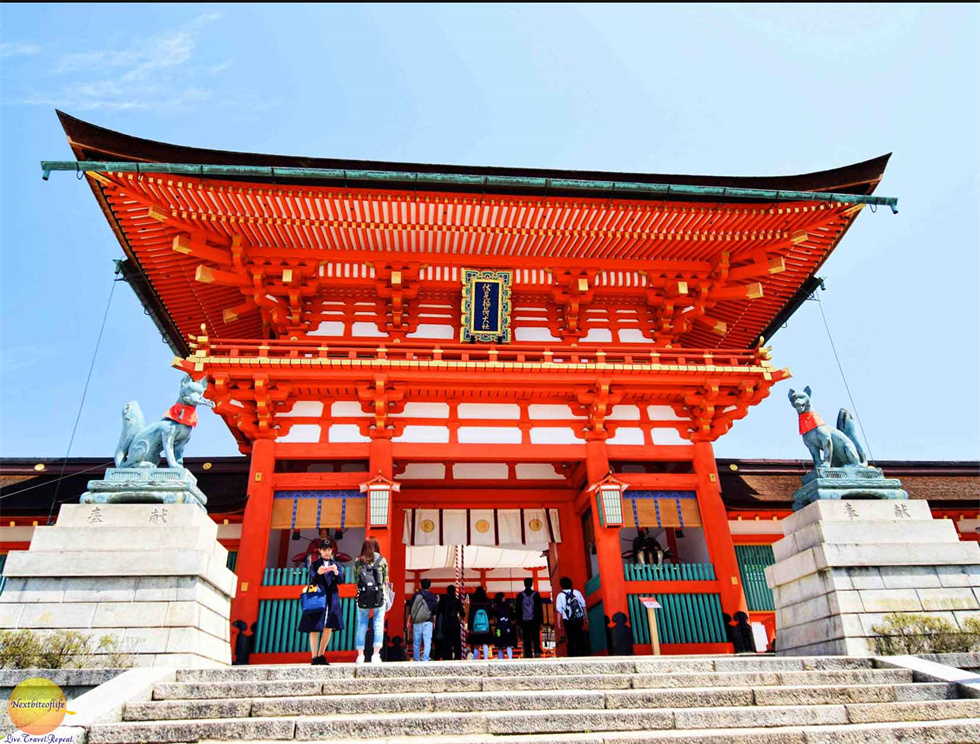
Fushimi Inari Taisha Shrine & Senbon Torii (60 minutes) - Kinkakuji Temple (ticket included, 30 minutes) - Ryoanji Temple (ticket included, 30 minutes) - Gion & Hanamikoji (60 minutes) - Yasaka Shrine (20 minutes)
Special instructions:
1.10/21-11/18 During the maple leaf season, Fushimi Inari Taisha Shrine & Senbon Torii will be visited instead at Arashiyama Togetsukyo Bridge. The scenery is affected by the real-time weather and climate. Please refer to the actual sight. Please understand.
2. During the cherry blossom season from March 19 to April 24, cherry blossom viewing in Maruyama Park will be added to the itinerary. The landscape conditions are affected by real-time weather and climate. Please refer to the actual sight. Please understand.
Fushimi Inari Shrine
The main shrine of all Inari shrines in Japan, it originally prayed for a good harvest in agriculture, but now it has been extended to pray for success in business. Senbon Torii is also one of the filming locations for the movie "Memoirs of a Geisha".
Kinkakuji (Golden Pavilion)
The original name of Kinkakuji Temple is Roenji Temple. Because the outer walls of the core building of the temple, the Relic Hall, are all covered with gold foil, it is called "Kinkakuji Temple". The temple was first built in 1397. It was originally the villa of General Ashikaga Yoshimitsu and was later converted into a Zen temple. In 1950, it was burned by a young monk, whose story was fictionalized in Yukio Mishima's The Temple of the Golden Pavilion.
Ryuuanji Temple Dalunan Ryuuanji
The sadness, mystery, wabi-sabi, and spirit of things have always been the characteristics of Japanese aesthetics. How does Ryoanji Stone Garden, which represents the ultimate Zen of Japanese dry landscape gardens, embody the beauty of negation and blank space.
Gion&Hanamikoji Gion&Hanamikoji Dori
Regarding another era in Kyoto - the era of geisha singing and dancing, Gion, known as the entertainment district of Kyoto, still retains its past style. Teahouses and healing pavilions abound on the stone roads. Geishas and dancers often walk by, giving it a unique style.
Yasaka Shrine Yasaka Shrine
Yasaka Shrine is located in the Higashiyama area of Kyoto and is the headquarters of approximately 3,000 Yasaka shrines in Japan. Yasaka Shrine was originally called Gion Shrine, but it was later renamed Yasaka Shrine due to the separation of gods and Buddhas. Yasaka Shrine enshrines deities such as Sumitomono, Kushida Himeimei, and Hachizumomiko-godami. The annual sacrificial event held by Yasaka Shrine is called the Gion Matsuri. It is one of the three major festivals in Japan along with the Kanda Matsuri in Tokyo and the Tenjin Matsuri in Osaka. Whenever the Zhuyuan Festival is held, a large number of Japanese people come to pray for peace.
At the right time, take the bus to Osaka, the largest city in Kansai, and check in at the hotel.
Itinerary:
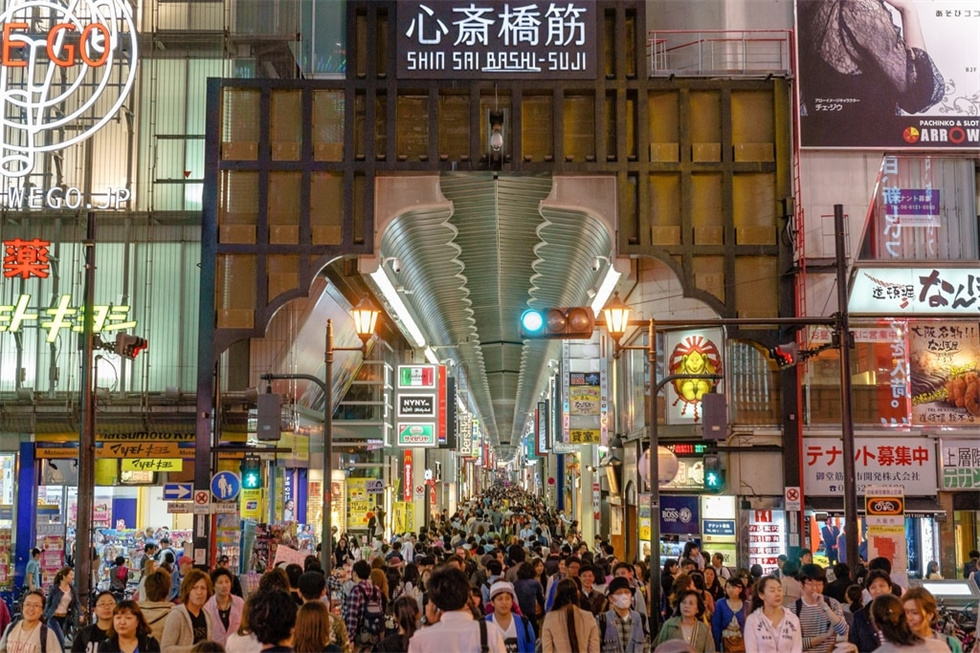
Osaka Castle Park (outside the castle tower, 60 minutes) - Kuromon Market (60 minutes) - Nara Park (30 minutes) - Todaiji Temple (admission to the Daibutsu Hall is at your own expense, 30 minutes) - Kasuga Taisha Shrine (30 minutes) - Shinsaibashi Dotonbori (120 minutes)
Osaka Castle
One of Japan's three most famous cities, it was built in 1583 by Toyotomi Hideyoshi, a very famous figure in Japanese history. It has a history of 400 years. During the cherry blossom season, the cherry blossoms in the castle, mainly Somei Yoshino cherry blossoms, look ancient and healing against the backdrop of the castle tower.
Kuromon Market Kuromon Ichiba
Osaka’s kitchen, a gourmet’s paradise. There are all kinds of seafood and delicacies, and eating while shopping is the best way to explore Kuromon Market.
Nara Park Nara Park
Nara Park is located on the east side of Nara City, at the foot of Mount Kasuga. The park has beautiful scenery all year round. Thousands of wild sika deer live on the open meadows, and it is also known as the "Sika Deer Park". There are also places of interest such as Todaiji Temple and Kasuga Taisha Shrine gathered around the park.
Todaiji Temple Todaiji Temple
Todaiji Temple is the headquarters of the Keyan Sect in Japan, also known as the "Great Keyan Temple". Located east of Heijo Kyo (now Nara), it has a history of 1,200 years and is the largest wooden building in the world today. The Daibutsuden is the main hall of Todaiji Temple, also called the Golden Hall. It was built in 1709. The front is 57 meters wide and 50 meters deep. It is majestic and reveals a simple charm. In 1998, Todaiji Temple was listed as a World Cultural Heritage as part of the historical relics of ancient Nara.
Kasuga Taisha Shrine Todaiji Temple
Kasuga Taisha Shrine is a place of worship for Japanese Shintoists. It was built in 710 and has been included in the World Cultural Heritage List. It is dedicated to the four guardian spirits of the Fujiwara family. The entire shrine relies on the foot of Kasugayama, surrounded by green and beautiful vegetation. Kasugayama has always been forbidden to cut down, so everything here looks natural and ancient. The approach to Kasuga Taisha Shrine is lined with countless moss-covered stone lanterns used for lighting and to ward off evil spirits.
Shinsaibashi-suji Shopping Street+Dotonbori
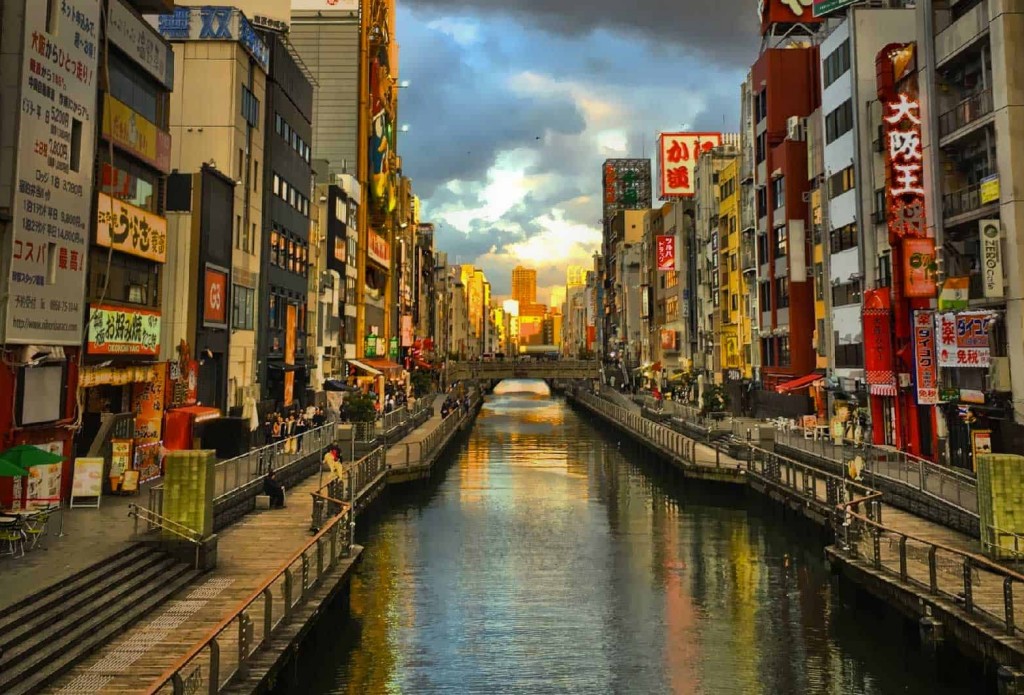
One of the busiest business districts in Osaka, home to many boutiques and specialty stores. The sidewalks paved with stone slabs, British-style street lamps and rows of brick buildings are all in an elegant style. At night, this place becomes a "theme park of giant billboards", and Glico, the "running man", has always existed like an "Internet celebrity".
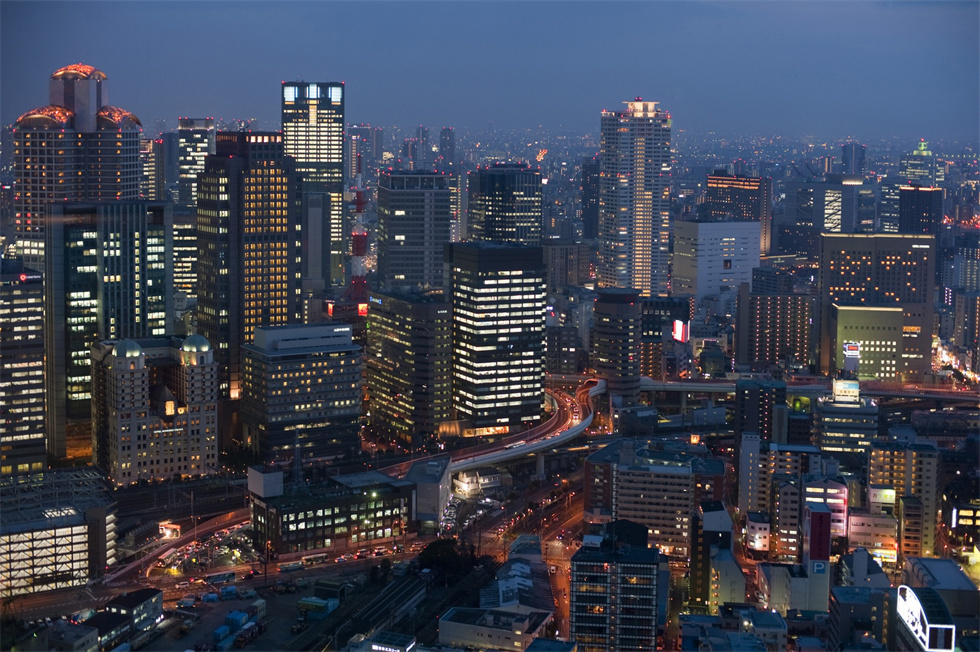
After gathering in the hotel lobby at the designated time, accompanied by the tour guide, you will be driven to Osaka Kansai International Airport by private car and take a flight back home, ending your trip to Japan.


