
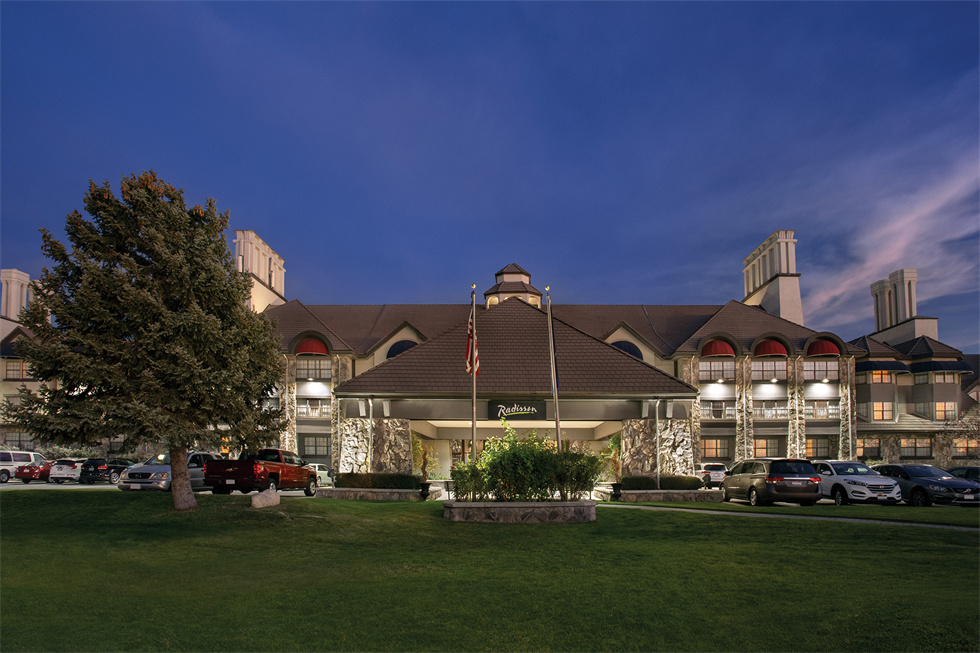
Arrive at Salt Lake City, the largest city in the Midwestern United States, and check into the hotel by yourself.
Hotel information is as follows:
Radisson Hotel Salt Lake City Airport
Address: 2177 W North Temple St, Salt Lake City, UT 84116, United States
Phone: +1(385)341-4904
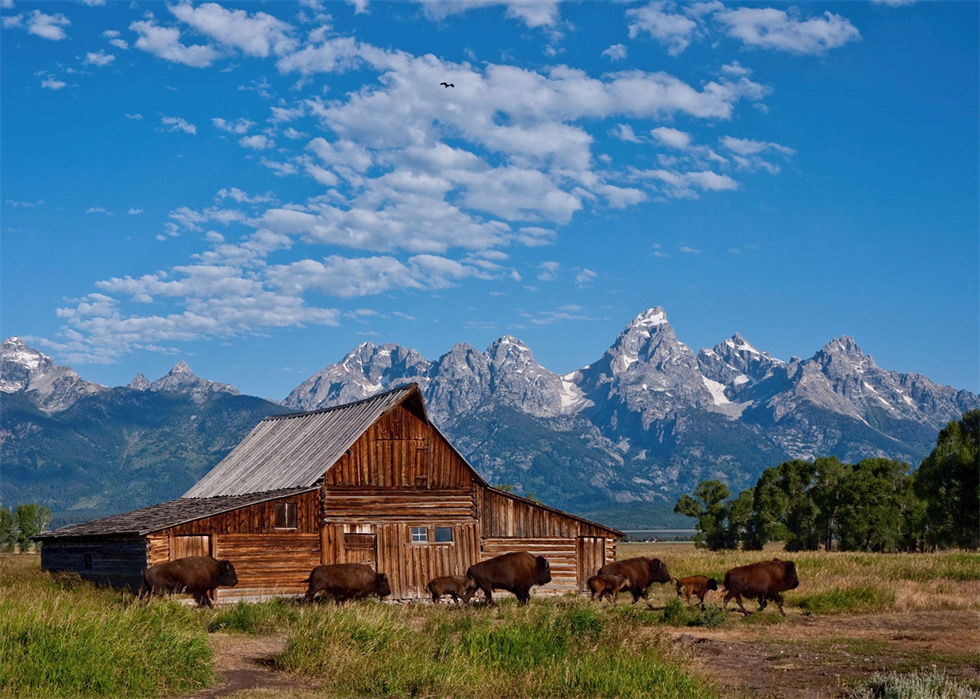
Today we will visit the "Dead Sea" Great Salt Lake in the United States. The Great Salt Lake is the largest remnant of the prehistoric great lake Lake Bonneville and is the largest saltwater lake in the Western Hemisphere. Then we enter Idaho and Wyoming, and the beautiful scenery along the way is breathtaking. Arrive at the authentic western cowboy town - Jackson at noon, which is also a world-famous resort. Don't miss Antler Park in the city center. Entering Grand Teton National Park in the afternoon, the eternal glaciers cover the majestic Grand Teton Mountains like a fairyland. Finally arrive at the world's first national park - Yellowstone National Park. The romantic and charming Yellowstone Lake and various steaming geothermal phenomena make people marvel at the magic of creation. Check into West Yellowstone in the evening (Yellowstone Park is a volcanic area, and the geothermal phenomenon is surrounded by Banqiao. It takes an average of 30 minutes to walk to each attraction, so please wear comfortable shoes).
Itinerary:
Salt Lake City → Great Salt Lake (20 minutes) → Jackson → Antlers Park (60 minutes) → Grand Teton National Park (60 minutes) → Yellowstone National Park (visit Yellowstone Lake) → West Yellowstone
Great Salt Lake
The Great Salt Lake is the second largest saltwater lake in the world and the largest inland salt lake in North America. It is located in western Utah, USA, with the Rocky Mountains to the east and desert to the west. It consists of 10 islands. It is also a wildlife sanctuary, attracting millions of migratory birds every year. The salt content of the lake here is as high as 25%, second only to the Dead Sea. Only some algae that can tolerate high salinity can survive in the lake.
Elk Antler Arches Park
The park is not big, with giant arches made of antlers in the four directions of east, west, north and south. The antlers are all top quality, but these antlers are not obtained from hunting. Every winter, a large number of elk come from the mountains to the National Elk Refuge in Jackson to spend the winter. In the spring, the antlers naturally fall off and are renewed. After the elk leave, countless treasures are left everywhere.
Grand Teton National Park Grand Teton National Park
Grand Teton National Park was established on February 26, 1929. There are 300 kilometers of trails in Grand Teton National Park. There are many lakes in the park, including Jackson Lake and Jenny Lake. Most of Grand Teton National Park is located within the Rocky Mountains, and the natural landscape is spectacular. In addition, Grand Teton National Park also has extremely rich biological resources, including American bison, grizzly bears, black bears, moose, etc.
Yellowstone National Park Yellowstone National Park
It is located in the Rocky Mountains, known as the "Backbone of America", on the lava plateau between the Northern Rockies and the Central Rockies in the western United States. The geothermal wonder is his symbol, a primitive landscape tempered by water and fire. The natural landscape in the park is divided into five major areas, namely Mammoth Area, Roosevelt Area, Canyon Area, Geyser Area and Lake Area. Each of the five scenic areas has its own characteristics. Beyond the limits of what human art can express, it is the most wonderful and spectacular beauty on the face of the earth.
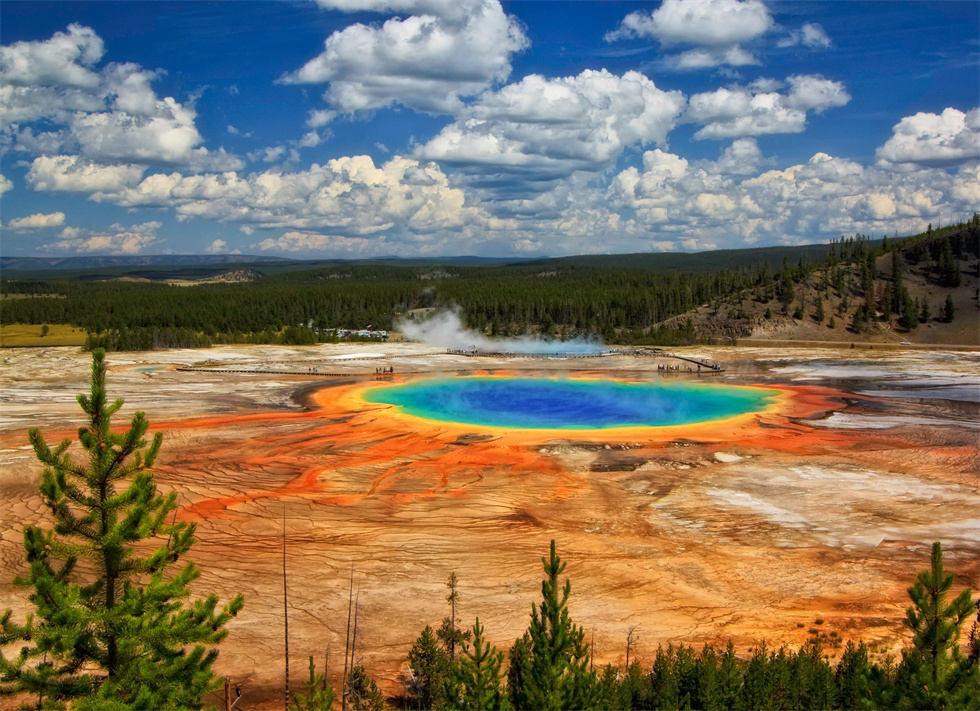
In the morning we will go to Yellowstone, the world's first national park. We will have a whole day to marvel at the strangeness and beauty of Yellowstone. The gifts of nature are vividly displayed here. Located on the largest super active volcanic crater, Yellowstone has more than 10,000 geothermal phenomena and more than 200 waterfalls. The unique ecological environment has given birth to the best giant wild animal habitat in North America.
Itinerary:
West Yellowstone → Yellowstone National Park (8 hours, stop at Norris Geyser, Lower Terraces, Artist Point, Upper Falls, Hayden Valley, Mud Volcano, Fishing Bridge, Old Faithful Geyser, Fountain Trail, Morning Glory and other attractions. The tour guide will make adjustments based on the actual situation on the day, please refer to the actual arrangement)
Yellowstone National Park Yellowstone National Park
It is located in the Rocky Mountains, known as the "Backbone of America", on the lava plateau between the Northern Rockies and the Central Rockies in the western United States. The geothermal wonder is his symbol, a primitive landscape tempered by water and fire. The natural landscape in the park is divided into five major areas, namely Mammoth Area, Roosevelt Area, Canyon Area, Geyser Area and Lake Area. Each of the five scenic areas has its own characteristics. Beyond the limits of what human art can express, it is the most wonderful and spectacular beauty on the face of the earth.
Norris Geyser Basin Yellowstone Norris Geyser Basin
Norris Geyser Basin is the hottest and most erratic series of geysers in Yellowstone Park. It has been dormant for a long time and only erupts once in a long time (the last eruption was in 2008). It once set a record of eruption height of 380 feet. The geysers in this area are also quite rich in color, ranging from crystal clear blue-green to soft milk-like blue-white.
Artist Point Artist Point
The scenery here is particularly spectacular. The canyon is more than three hundred feet deep. The walls of the canyon are mainly yellow, mixed with black, red and pink, and green pine trees. The colors are mixed and not chaotic, looking like a peacock's tail in full bloom, or like the pointillism of a Romantic painter who dotted several layers of colors in the same place.
Upper Yellowstone Falls
The upper waterfall is located 400 meters upstream of the larger Yellowstone Falls. The waterfall flows vertically down the volcanic cliff with a height of 33 meters. The originally uneven volcanic rocks below the waterfall have been smoothed by hundreds of years of erosion by the waterfall.
Mud Volcano Area Mud Volcano Area
It is located in the eastern part of Yellowstone Park, not far to the north of Yellowstone Lake. Most of the fountains here spout not water, but mud, and the ground shakes every time it erupts. Next to the mud volcano, colorful grass grows, which looks extremely soft and gorgeous.
Old Faithful Geyser Old Faithful Geyser
Old Faithful Geyser is named for its consistent and regular eruptions. Currently, it erupts approximately every 60 to 110 minutes. Each eruption lasts for four to five minutes. The water column reaches a height of more than 40 meters. It is spectacular and never stops. The Old Faithful Visitor Center will lay out the eruption timetable in advance, so you can check the eruption time first and then go sightseeing with confidence.
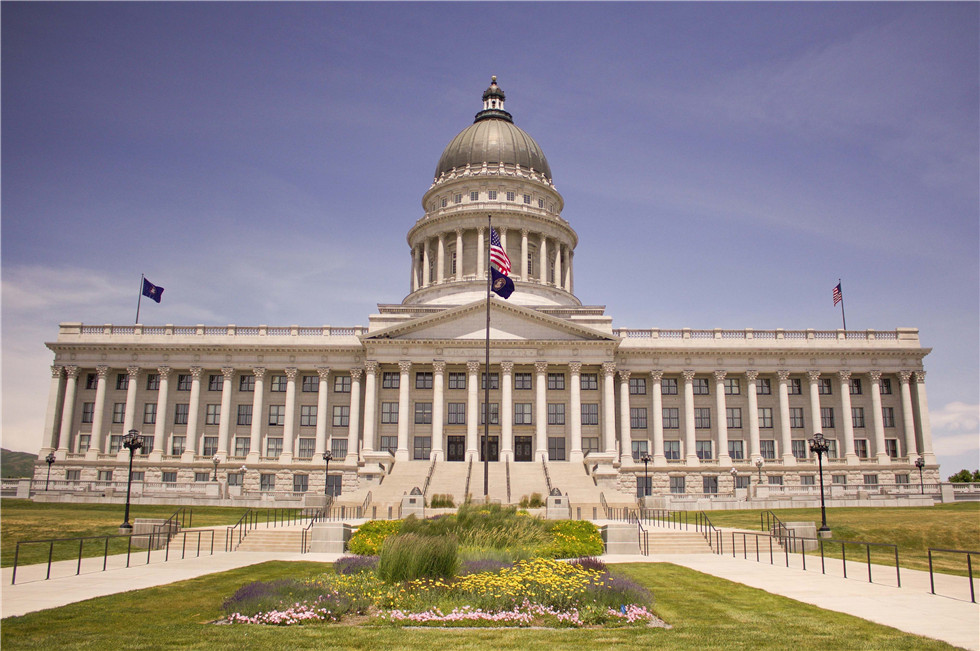
Today we will continue to experience the beauty of the Greater Yellowstone Ecosystem. The colorful geothermal phenomena make people marvel at the magic of nature. Arrive at Yellowstone Bear World in the afternoon and see dozens of species of native animals in the Rocky Mountains. Arrive in Salt Lake City in the evening and visit the Utah State Government Building. The entire building is magnificent, exquisite and gorgeous. It is a prominent landmark of Utah and is also known as the "Little White House". Saying goodbye to the Utah State Government Building, we headed to Temple Square, the famous Mormon holy site in the center of Salt Lake City.
Itinerary:
Yellowstone National Park (2.5 hours, go to the Grand Prism, Palette and other attractions, subject to actual arrangements on the day) → Yellowstone Bear World (at your own expense, 60 minutes) → Utah State Capitol (30 minutes) → Temple Square (40 minutes)
Yellowstone National Park Yellowstone National Park
It is located in the Rocky Mountains, known as the "Backbone of America", on the lava plateau between the Northern Rockies and the Central Rockies in the western United States. The geothermal wonder is his symbol, a primitive landscape tempered by water and fire. The natural landscape in the park is divided into five major areas, namely Mammoth Area, Roosevelt Area, Canyon Area, Geyser Area and Lake Area. Each of the five scenic areas has its own characteristics. Beyond the limits of what human art can express, it is the most wonderful and spectacular beauty on the face of the earth.
The Grand Prismatic Hot Spring in Yellowstone
Also known as the Colorful Pool, it is the largest hot spring in the United States and the third largest in the world, with a width of 75-91 meters and a depth of 49 meters. About 2,000 liters of hot water at 71 degrees gushes out every minute. The amazing thing about Grand Prismatic Hot Springs is that the color of the lake changes with the seasons. In spring, the lake changes from emerald green to golden orange due to microorganisms such as algae and pigment-containing bacteria living in the mineral-rich water. In mid-summer, the chlorophyll content is relatively low, so the lake appears a brilliant orange, red or yellow color. But in the cold winter months, due to lack of light, these microorganisms will produce more chlorophyll to suppress the color of carotenoids, so the water body will appear a deep dark green.
Yellowstone Fountain Paint Pot
The Palette is a mud fountain. Minerals in the soil and rocks are dissolved by acidic hot springs to form mud. Because the muddy water is very viscous, you can also clearly see the slow formation and collapse of bubbles. The soil around the fountain looks like dried oil paint, causing the fountain itself to look like a pot of water in which the oil paint has been washed, like a painter's drawing board, filled with colorful spices.
Yellowstone Bear World Yellowstone Bear World
Bear World of Yellowstone, located in the town of Rexburg, Idaho, was established in 1998 and is the only drive-through wildlife refuge in Greater Yellowstone. The rare animals available for tourists to watch in the park include grizzly bears, black bears, gray wolves and other rare North American animals. It is said that there are close to 100 grizzly bears. There are also shops, guided tours and performances such as feeding bears and other small animals.
Utah State Capitol Utah State Capitol
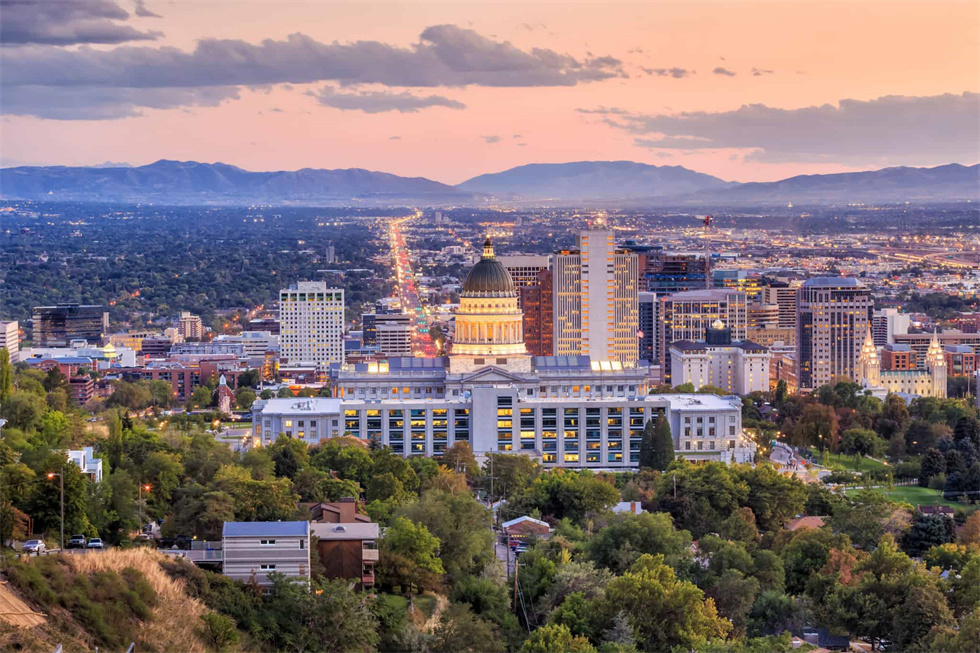
The Utah State Capitol is located in Salt Lake City. The size and shape of the entire building is comparable to the Capitol Hill in Washington. The top of the state government building is a Byzantine dome, which is dazzling and brilliant under the sunlight. The interior of the building is more magnificent and exquisitely crafted. The walls are made of smooth marble, the ceiling is painted with exquisite murals, and countless finely carved figures stand among them, lifelike. In addition, because Utah is also known as the "Beehive State", a sculpture of a beehive is placed prominently in front of the building, which is one of the must-take photos for tourists here.
Temple Square Temple Square
Salt Lake City, Utah, is the global base of Mormonism. It is a group of buildings belonging to the headquarters of The Church of Jesus Christ of Latter-day Saints (Mormons) in the center of Salt Lake City, Utah, including the Salt Lake City Temple, Salt Lake City Chapel, Salt Lake City Assembly Hall, Seagull Monument and two visitor centers, covering an area of 10 acres.
This day is free for you. You can go to the center of Salt Lake City on your own, or take the hotel shuttle to the airport to end your pleasant journey from Yellowstone Park to Salt Lake City.
Seat selection and payment instructions
1. Applicable seating range
"Preferred seats" usually refer to the front row area in the bus compartment (specifically based on the actual seat distribution on the bus that day). These seats enjoy a wider field of view, a more convenient boarding and alighting experience, and a relatively comfortable riding space.
2.Charging standards
(1) Itinerary of 8 days or less: USD 12/person/day
(2) Itinerary of more than 8 days: USD 15/person/day
The fee will be calculated on a daily basis based on the total number of days of the trip and will be charged once upon registration.
3. Reservation rules
(1) Voluntary choice: All tour participants can voluntarily choose whether to purchase preferred seat services when registering based on their own needs.
(2) First-come-first-served: The number of preferred seats is limited. Usually for models with 15 seats or above, the first three rows belong to the paid area. Confirmation is based on payment order, while stocks last.
(3) Priority for traveling together: If traveling companions (same order) need to book preferred seats at the same time, we will try our best to arrange adjacent seats.
4. Precautions
(1) The preferred seat fee does not include any other service content, but only the priority of seat location.
(2) If the car needs to be replaced due to weather, road conditions, vehicle scheduling, etc., we will try our best to provide a seat arrangement of equal value or refund the corresponding fee based on the actual number of days affected.
(3) For passengers who have not purchased this service, we will allocate other seats for free in rotation order, and try to ensure that the seats of traveling companions are adjacent to each other.
5.Refund policy
(1) If the order is canceled more than 7 days before the start of the trip, the preferred seat fee will be fully refunded;
(2) If canceled 3-7 days before the trip, 50% of the fee will be refunded;
(3) If canceled within 3 days before the trip, no refund will be given.
Itinerary instructions
Special instructions:
1. The above itinerary sequence, attractions, flights and accommodation locations may be temporarily changed, modified or replaced. The final itinerary is subject to the itinerary confirmed by our company before departure;
2. Our company reserves the right to change the itinerary and add price differences due to factors such as airlines, visas, governments, weather, etc.;
3. The flight numbers and times listed in the itinerary are for reference only, and reasonable adjustments will be made based on the actual situation;
Travel information
1. Gathering and boarding requirements
(1) All tour group members must gather on time and depart on time. Please arrive at the pick-up location 15 minutes in advance. Our company's tour bus will not wait. If you fail to gather and set off at the agreed time and location, or fail to join midway, you will be deemed to have given up automatically and the fee will not be refunded.
(2) The pick-up and drop-off times stated in the tour notice are all estimated times, and the specific pick-up and drop-off locations are subject to confirmation by the company. If due to traffic conditions or other special circumstances, our company's bus cannot arrive at the boarding location on time or the time is temporarily changed, our company will notify you in time, so please be patient.
2. Vehicle and luggage requirements
(1) Passenger buses are divided into three types: buses, minibuses and minibuses. Generally, buses have luggage compartments dedicated to storing luggage, while minibuses and minibuses have relatively smaller spaces for luggage storage. In view of the limited space in the luggage compartment of the bus, it is recommended not to carry too much luggage when traveling. Our company will arrange vehicles according to the final group size, ensuring one person per person.
(2) In order to avoid overcrowding in front of the scenic spots, the bus parking areas in most cities are far away from the scenic spots, and drivers are not allowed to park casually. Violators will be subject to heavy fines. If necessary, the pick-up and drop-off location may be some distance away from the attraction. Please understand.
3. Safety tips for taking a bus
(1) Smoking in the car is prohibited.
(2) Please do not bring prohibited items.
(3) Do not fiddle with anything on the car at will to avoid unnecessary damage.
(4) During the temporary stop of the bus, obey the tour guide’s arrangements and do not stay away from the group.
(5) When group members get off the bus for sightseeing, dining, or shopping, please close the windows of the tour vehicle and carry your valuables with you. The travel agency is not responsible for any loss or theft.
(6) Due to the long journey time and heavy vehicle loads, if the car breaks down and affects the itinerary, the travel agency will quickly take remedial measures and ask the group members to actively cooperate.


