
fromFlying to OsloPastSvalbard (Svalbard)capital—Longyearbyen, take a special bus to the port, and board the Ocean Albatros cruise ship together with the assistance of the Albatros Expeditions expedition team.
After boarding the ship, along with a welcome drink, the expedition leader will give a boarding briefing, including an introduction to daily affairs on the ship and various safety procedures; all tourists must participate in safety drills on life safety at sea required by maritime supervision; then the captain will slowly sail the ship out of Longyearbyen port, passing byAdvent Fjord and Isfjorden, heading northwest to Prins Karls Forland.
Starting today we will explore Svalbard (Spitsbergen (Spitsbergen), the largest island in Svalbard, and its western and northern areas, are home to a rich variety of Arctic wildlife and miraculous natural landscapes. The captain and expedition leader will decide where to go based on time, weather and ice conditions. If conditions permit, you will have the opportunity to admire spectacular glaciers, cliffy fjords, and a wide variety of Arctic animals. If you like nature and wildlife photography, watching whales on the boat, photographing seabirds, and taking close-up shots of reindeer, Arctic foxes and other Arctic wildlife every time you land is an unforgettable experience.
The captain and expedition leader will plan the following itinerary based on actual conditions such as time, weather, ice conditions, etc.:
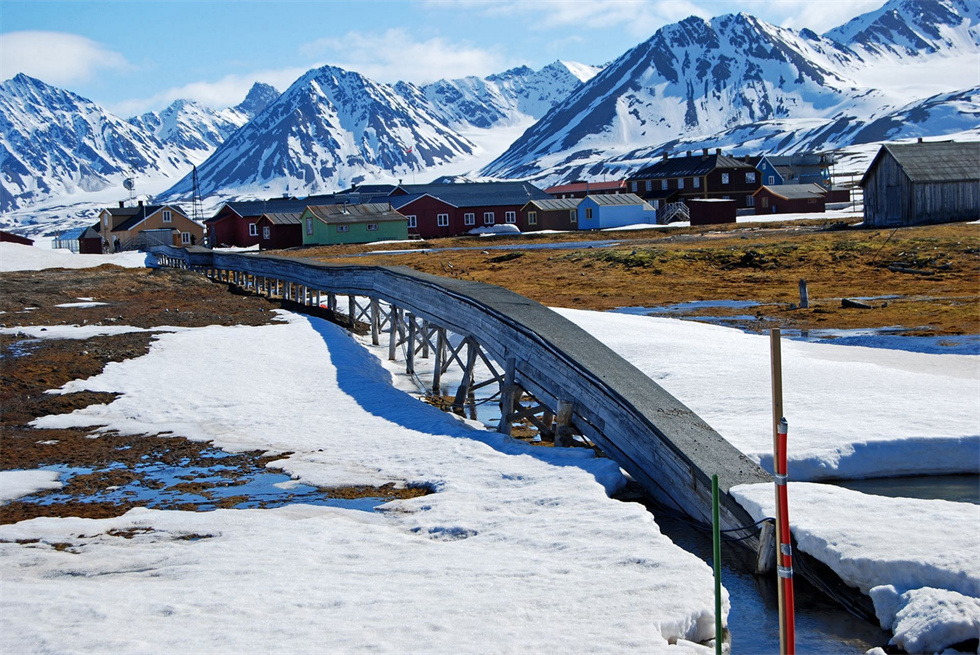
Ny Alesund (Ny-Alesund):The northernmost town in the world, the northernmost series of post offices, museums, and galleries are located here; there are about 60 houses in the entire town for tourists and scientific expedition personnel. Although there are no permanent residents, there are post offices, bars, small supermarkets, docks, airports, etc.; the town is the most important international Arctic research center. Every summer, about 100 scientists from many countries gather here to study various topics from microorganisms to climate. It is like a small United Nations.
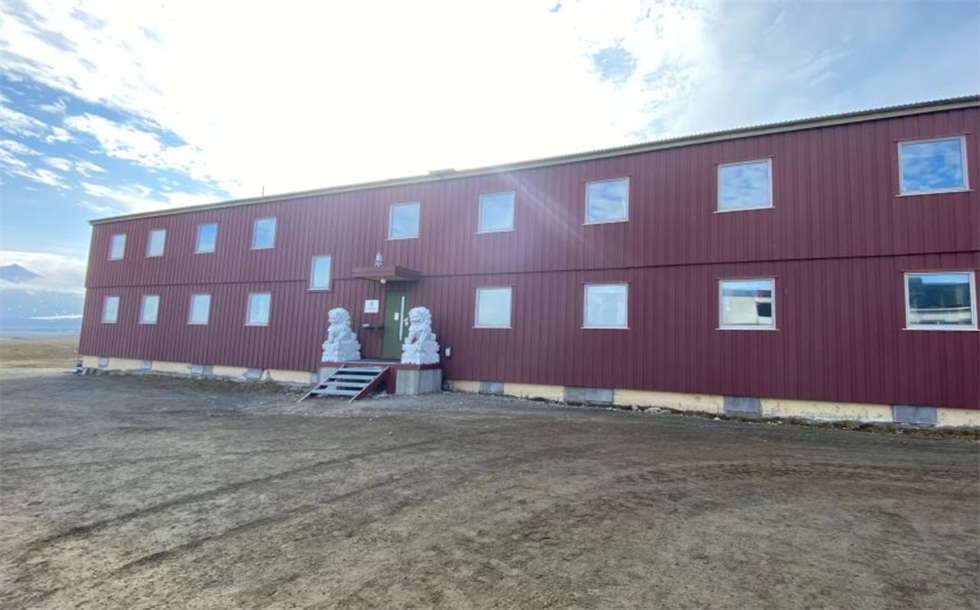
China Arctic Yellow River Station:Established on July 28, 2004, it is China's first scientific research station in the Arctic. The station makes China the eighth country in the world to have an Arctic scientific research station. The logistics support of the Ny-Alesund scientific research village where the Yellow River Station is located is managed by the Norwegian King's Bay Company. In addition, it is also responsible for the provision and maintenance of airports, docks and other facilities.
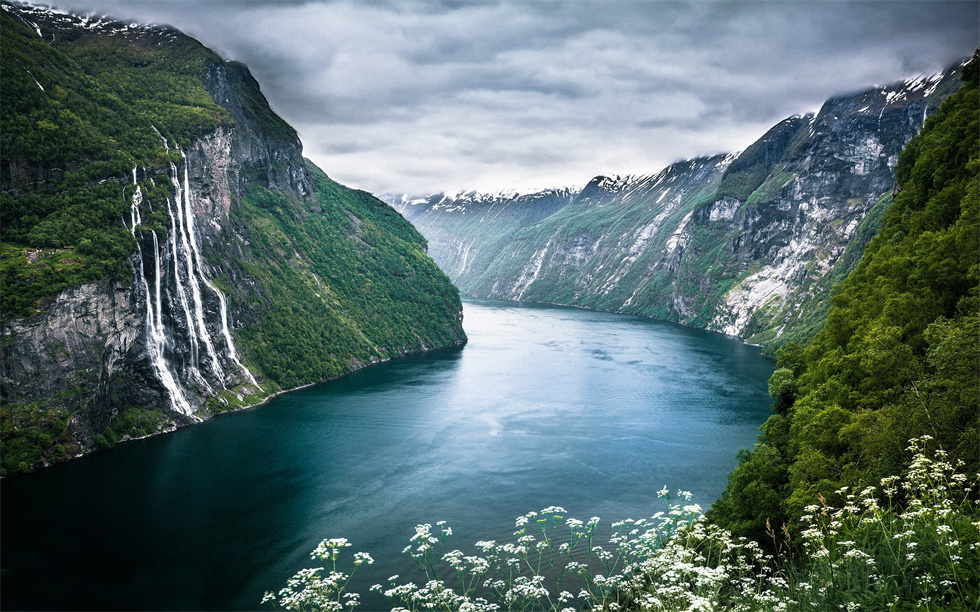
Pass by the beautiful Blomstrandbukta (Flower Strait Bay)), sail north into Hook (Hook Fjord); arrive at Kross (Kross Fjord), one of the most beautiful fjords in Svalbard. The mountainside near the glacier is a lush and colorful sea of flowers, dotted with grass and moss. Here you may also see cunning Arctic foxes looking for prey;
Lilliehook Glacier:79°31′ north latitude, 11°60′ east longitude; in 1906, Prince Albert I of Monaco arrived here to conduct scientific research to study how Arctic clams could survive on the earth for more than a whole century. From the stripes on the Arctic clam shells, scientists can infer the impact of seawater temperature and pollutants on Arctic glaciers and changes in icebergs.
Monacobreen Glacier:It is located in Liefdefjorden (Love Fjord), 79°50′ north latitude and 12°55′ east longitude. Prince Albert I of Monaco led an expedition to Svalbard in 1906 and used the advanced photography technology at the time to explore and study the shape and position of the glacier. Therefore, the glacier was named after his country. Thousands of birds live on the glacier, and the glacier shines like a sparkling diamond under the sunlight. Take a rubber boat to cruise the 5-kilometer-wide ice tongue. Because the fresh water and seawater from melted glaciers meet here, kittiwakes and arctic terns are attracted to hunt in the sea. You may also see seals and polar bears.
Smeerenburg:Located in Amsterdam (Amsterdam Island), it means "Blubber Village". 400 years ago, Dutch whalers hunted whales on this small island to refine the blubber, make soap, lamp oil, etc. and ship it to Europe for huge profits. The whale smelting furnace is usually a circular cave with a diameter of more than ten meters long, and there are still 3 whale smelting furnace ruins left. At the end of the 19th century, the whaling industry declined day by day. Only these old whaling furnaces and whaling stations can help us understand the history of whale hunting by the Dutch and Basques in the past.
Hinlopenstretet (Hinlopeng Strait), this area is a paradise for bearded seals, ringed seals, walruses, and polar bears. At the entrance to the strait, you must keep your eyes open for beluga whales that may appear at any time, thousands of free-flying puffins, and the chance to see the reindeer that live there.
Alkfjellet:Also known as "Puffin Mountain" and "Seabird City"; 79°44′ north latitude, 18°78′ east longitude, facing Isfjorden (Isfjord), it is one of the most spectacular bird cliffs in the Svalbard area. You can watch all kinds of birds thrive here at close range. The front of the cliff is composed of basalt pillars rising from the water, with a vertical height of more than 100 meters and a width of several kilometers; about 100,000 pairs of thick-billed puffins live here. They lay eggs and incubate their offspring on the bare and steep rock walls, but do not build nests. The eggs exposed among the rocks become the most delicious meals for various animals; groups of seagulls look for food here, and Arctic foxes and polar bears often wait here for delicious food falling from the sky.
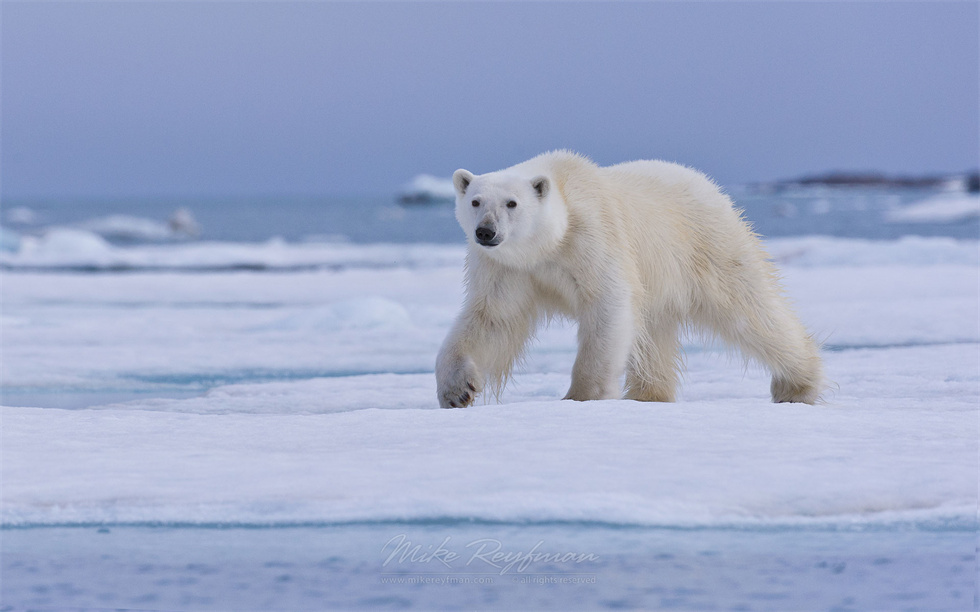
seven islands-The country of polar bears:East Svalbard North Latitude80 degrees. At night, the ship will sail to the edge of the ice floe in the far north. How far north we go and whether we can reach 80 degrees north latitude, only time and weather will tell us! As the ice floes recede in summer, polar bears migrate north on the ice floes because this is the habitat of their prey, seals. For unfortunate reasons, the polar bears did not "catch" the ice moving northward and were stranded on Svalbard all summer, forced to feed on berries, eggs, and any whale carcasses they could find. During the day, you can enjoy lectures about polar mammals, environment and culture in the ship's Viking Theater. If we enter an ice floe in calm seas, our captain will cruise slowly among the ice floes in search of wildlife. Part of the goal for the day was to reach the island Nordaustlanddet. These rocky islands with little vegetation are located about 1,000 kilometers north of mainland Norway's famous Nordkamp. Weather permitting, we will land on the northernmost land for an excursion. The high-latitude islands of the Arctic are very barren, with only moss and lichens covering the stones. The area is rich in bird life, and some rare seagulls frequent the islands. Be sure to bring your binoculars.
Starting today, we will explore Spitsbergen, the largest island in Svalbard (Svalbard), and its western and northern areas. There are rich and diverse Arctic wildlife and miraculous natural landscapes; the captain and expedition leader will decide according to the time, weather and ice conditions. If conditions permit, you will have the opportunity to admire spectacular glaciers, cliffy fjords, and a wide variety of Arctic animals. If you like nature and wildlife photography, watching whales on the boat, photographing seabirds, and taking close-up shots of reindeer, Arctic foxes and other Arctic wildlife every time you land will be an unforgettable experience.
The captain and expedition leader will plan the following itinerary based on actual conditions such as time, weather, ice conditions, etc.:
Ny Alesund (Ny-Alesund):The northernmost town in the world, the northernmost series of post offices, museums, and galleries are located here; there are about 60 houses in the entire town for tourists and scientific expedition personnel. Although there are no permanent residents, there are post offices, bars, small supermarkets, docks, airports, etc.; the town is the most important international Arctic research center. Every summer, about 100 scientists from many countries gather here to study various topics from microorganisms to climate. It is like a small United Nations.
China Arctic Yellow River Station:Established on July 28, 2004, it is China's first scientific research station in the Arctic. The station makes China the eighth country in the world to have an Arctic scientific research station. The logistics support of the Ny-Alesund scientific research village where the Yellow River Station is located is managed by the Norwegian King's Bay Company. In addition, it is also responsible for the provision and maintenance of airports, docks and other facilities.
Pass by the beautiful Blomstrandbukta (Flower Strait Bay)), sail north into Hook (Hook Fjord); arrive at Kross (Kross Fjord), one of the most beautiful fjords in Svalbard. The mountainside near the glacier is a lush and colorful sea of flowers, dotted with grass and moss. Here you may also see cunning Arctic foxes looking for prey;
Lilliehook Glacier:79°31′ north latitude, 11°60′ east longitude; in 1906, Prince Albert I of Monaco arrived here to conduct scientific research to study how Arctic clams could survive on the earth for more than a whole century. From the stripes on the Arctic clam shells, scientists can infer the impact of seawater temperature and pollutants on Arctic glaciers and changes in icebergs.
Monacobreen Glacier:It is located in Liefdefjorden (Love Fjord), 79°50′ north latitude and 12°55′ east longitude. Prince Albert I of Monaco led an expedition to Svalbard in 1906 and used the advanced photography technology at the time to explore and study the shape and position of the glacier. Therefore, the glacier was named after his country. Thousands of birds live on the glacier, and the glacier shines like a sparkling diamond under the sunlight. Take a rubber boat to cruise the 5-kilometer-wide ice tongue. Because the fresh water and seawater from melted glaciers meet here, kittiwakes and arctic terns are attracted to hunt in the sea. You may also see seals and polar bears.
Smeerenburg:Located in Amsterdam (Amsterdam Island), it means "Blubber Village". 400 years ago, Dutch whalers hunted whales on this small island to refine the blubber, make soap, lamp oil, etc. and ship it to Europe for huge profits. The whale smelting furnace is usually a circular cave with a diameter of more than ten meters long, and there are still 3 whale smelting furnace ruins left. At the end of the 19th century, the whaling industry declined day by day. Only these old whaling furnaces and whaling stations can help us understand the history of whale hunting by the Dutch and Basques in the past.
Hinlopenstretet (Hinlopeng Strait), this area is a paradise for bearded seals, ringed seals, walruses, and polar bears. At the entrance to the strait, you must keep your eyes open for beluga whales that may appear at any time, thousands of free-flying puffins, and the chance to see the reindeer that live there.
Alkfjellet:Also known as "Puffin Mountain" and "Seabird City"; 79°44′ north latitude, 18°78′ east longitude, facing Isfjorden (Isfjord), it is one of the most spectacular bird cliffs in the Svalbard area. You can watch all kinds of birds thrive here at close range. The front of the cliff is composed of basalt pillars rising from the water, with a vertical height of more than 100 meters and a width of several kilometers; about 100,000 pairs of thick-billed puffins live here. They lay eggs and incubate their offspring on the bare and steep rock walls, but do not build nests. The eggs exposed among the rocks become the most delicious meals for various animals; groups of seagulls look for food here, and Arctic foxes and polar bears often wait here for delicious food falling from the sky.
Seven Islands - Country of Polar Bears:East Svalbard is 80 degrees north latitude. At night, the ship will sail to the edge of the ice floe in the far north. How far north we go and whether we can reach 80 degrees north latitude, only time and weather will tell us! As the ice floes recede in summer, polar bears migrate north on the ice floes because this is the habitat of their prey, seals. For unfortunate reasons, the polar bears did not "catch" the ice moving northward and were stranded on Svalbard all summer, forced to feed on berries, eggs, and any whale carcasses they could find. During the day, you can enjoy lectures about polar mammals, environment and culture in the ship's Viking Theater. If we enter an ice floe in calm seas, our captain will cruise slowly among the ice floes in search of wildlife. Part of the goal for the day was to reach the island Nordaustlanddet. These rocky islands with little vegetation are located about 1,000 kilometers north of mainland Norway's famous Nordkamp. Weather permitting, we will land on the northernmost land for an excursion. The high-latitude islands of the Arctic are very barren, with only moss and lichens covering the stones. The area is rich in bird life, and some rare seagulls frequent the islands. Be sure to bring your binoculars.
Starting today, we will explore Spitsbergen, the largest island in Svalbard (Svalbard), and its western and northern areas. There are rich and diverse Arctic wildlife and miraculous natural landscapes; the captain and expedition leader will decide according to the time, weather and ice conditions. If conditions permit, you will have the opportunity to admire spectacular glaciers, cliffy fjords, and a wide variety of Arctic animals. If you like nature and wildlife photography, watching whales on the boat, photographing seabirds, and taking close-up shots of reindeer, Arctic foxes and other Arctic wildlife every time you land will be an unforgettable experience.
The captain and expedition leader will plan the following itinerary based on actual conditions such as time, weather, ice conditions, etc.:
Ny Alesund (Ny-Alesund):The northernmost town in the world, the northernmost series of post offices, museums, and galleries are located here; there are about 60 houses in the entire town for tourists and scientific expedition personnel. Although there are no permanent residents, there are post offices, bars, small supermarkets, docks, airports, etc.; the town is the most important international Arctic research center. Every summer, about 100 scientists from many countries gather here to study various topics from microorganisms to climate. It is like a small United Nations.
China Arctic Yellow River Station:Established on July 28, 2004, it is China's first scientific research station in the Arctic. The station makes China the eighth country in the world to have an Arctic scientific research station. The logistics support of the Ny-Alesund scientific research village where the Yellow River Station is located is managed by the Norwegian King's Bay Company. In addition, it is also responsible for the provision and maintenance of airports, docks and other facilities.
Pass by the beautiful Blomstrandbukta (Flower Strait Bay)), sail north into Hook (Hook Fjord); arrive at Kross (Kross Fjord), one of the most beautiful fjords in Svalbard. The mountainside near the glacier is a lush and colorful sea of flowers, dotted with grass and moss. Here you may also see cunning Arctic foxes looking for prey;
Lilliehook Glacier:79°31′ north latitude, 11°60′ east longitude; in 1906, Prince Albert I of Monaco arrived here to conduct scientific research to study how Arctic clams could survive on the earth for more than a whole century. From the stripes on the Arctic clam shells, scientists can infer the impact of seawater temperature and pollutants on Arctic glaciers and changes in icebergs.
Monacobreen Glacier:It is located in Liefdefjorden (Love Fjord), 79°50′ north latitude and 12°55′ east longitude. Prince Albert I of Monaco led an expedition to Svalbard in 1906 and used the advanced photography technology at the time to explore and study the shape and position of the glacier. Therefore, the glacier was named after his country. Thousands of birds live on the glacier, and the glacier shines like a sparkling diamond under the sunlight. Take a rubber boat to cruise the 5-kilometer-wide ice tongue. Because the fresh water and seawater from melted glaciers meet here, kittiwakes and arctic terns are attracted to hunt in the sea. You may also see seals and polar bears.
Smeerenburg:Located in Amsterdam (Amsterdam Island), it means "Blubber Village". 400 years ago, Dutch whalers hunted whales on this small island to refine the blubber, make soap, lamp oil, etc. and ship it to Europe for huge profits. The whale smelting furnace is usually a circular cave with a diameter of more than ten meters long, and there are still 3 whale smelting furnace ruins left. At the end of the 19th century, the whaling industry declined day by day. Only these old whaling furnaces and whaling stations can help us understand the history of whale hunting by the Dutch and Basques in the past.
Hinlopenstretet (Hinlopeng Strait), this area is a paradise for bearded seals, ringed seals, walruses, and polar bears. At the entrance to the strait, you must keep your eyes open for beluga whales that may appear at any time, thousands of free-flying puffins, and the chance to see the reindeer that live there.
Alkfjellet:Also known as "Puffin Mountain" and "Seabird City"; 79°44′ north latitude, 18°78′ east longitude, facing Isfjorden (Isfjord), it is one of the most spectacular bird cliffs in the Svalbard area. You can watch all kinds of birds thrive here at close range. The front of the cliff is composed of basalt pillars rising from the water, with a vertical height of more than 100 meters and a width of several kilometers; about 100,000 pairs of thick-billed puffins live here. They lay eggs and incubate their offspring on the bare and steep rock walls, but do not build nests. The eggs exposed among the rocks become the most delicious meals for various animals; groups of seagulls look for food here, and Arctic foxes and polar bears often wait here for delicious food falling from the sky.
Seven Islands - Country of Polar Bears:East Svalbard is 80 degrees north latitude. At night, the ship will sail to the edge of the ice floe in the far north. How far north we go and whether we can reach 80 degrees north latitude, only time and weather will tell us! As the ice floes recede in summer, polar bears migrate north on the ice floes because this is the habitat of their prey, seals. For unfortunate reasons, the polar bears did not "catch" the ice moving northward and were stranded on Svalbard all summer, forced to feed on berries, eggs, and any whale carcasses they could find. During the day, you can enjoy lectures about polar mammals, environment and culture in the ship's Viking Theater. If we enter an ice floe in calm seas, our captain will cruise slowly among the ice floes in search of wildlife. Part of the goal for the day was to reach the island Nordaustlanddet. These rocky islands with little vegetation are located about 1,000 kilometers north of mainland Norway's famous Nordkamp. Weather permitting, we will land on the northernmost land for an excursion. The high-latitude islands of the Arctic are very barren, with only moss and lichens covering the stones. The area is rich in bird life, and some rare seagulls frequent the islands. Be sure to bring your binoculars.
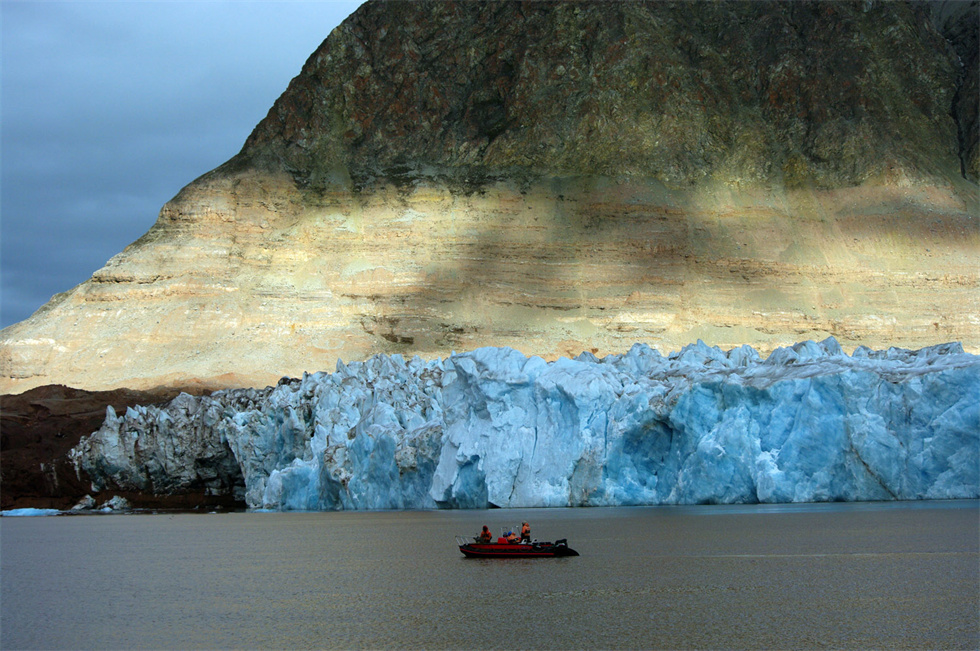
Starting today, we will explore Spitsbergen, the largest island in Svalbard (Svalbard), and its western and northern areas. There are rich and diverse Arctic wildlife and miraculous natural landscapes; the captain and expedition leader will decide according to the time, weather and ice conditions. If conditions permit, you will have the opportunity to admire spectacular glaciers, cliffy fjords, and a wide variety of Arctic animals. If you like nature and wildlife photography, watching whales on the boat, photographing seabirds, and taking close-up shots of reindeer, Arctic foxes and other Arctic wildlife every time you land will be an unforgettable experience.
The captain and expedition leader will plan the following itinerary based on actual conditions such as time, weather, ice conditions, etc.:
Ny Alesund (Ny-Alesund):The northernmost town in the world, the northernmost series of post offices, museums, and galleries are located here; there are about 60 houses in the entire town for tourists and scientific expedition personnel. Although there are no permanent residents, there are post offices, bars, small supermarkets, docks, airports, etc.; the town is the most important international Arctic research center. Every summer, about 100 scientists from many countries gather here to study various topics from microorganisms to climate. It is like a small United Nations.
China Arctic Yellow River Station:Established on July 28, 2004, it is China's first scientific research station in the Arctic. The station makes China the eighth country in the world to have an Arctic scientific research station. The logistics support of the Ny-Alesund scientific research village where the Yellow River Station is located is managed by the Norwegian King's Bay Company. In addition, it is also responsible for the provision and maintenance of airports, docks and other facilities.
Pass by the beautiful Blomstrandbukta (Flower Strait Bay)), sail north into Hook (Hook Fjord); arrive at Kross (Kross Fjord), one of the most beautiful fjords in Svalbard. The mountainside near the glacier is a lush and colorful sea of flowers, dotted with grass and moss. Here you may also see cunning Arctic foxes looking for prey;
Lilliehook Glacier:79°31′ north latitude, 11°60′ east longitude; in 1906, Prince Albert I of Monaco arrived here to conduct scientific research to study how Arctic clams could survive on the earth for more than a whole century. From the stripes on the Arctic clam shells, scientists can infer the impact of seawater temperature and pollutants on Arctic glaciers and changes in icebergs.
Monacobreen Glacier:It is located in Liefdefjorden (Love Fjord), 79°50′ north latitude and 12°55′ east longitude. Prince Albert I of Monaco led an expedition to Svalbard in 1906 and used the advanced photography technology at the time to explore and study the shape and position of the glacier. Therefore, the glacier was named after his country. Thousands of birds live on the glacier, and the glacier shines like a sparkling diamond under the sunlight. Take a rubber boat to cruise the 5-kilometer-wide ice tongue. Because the fresh water and seawater from melted glaciers meet here, kittiwakes and arctic terns are attracted to hunt in the sea. You may also see seals and polar bears.
Smeerenburg:Located in Amsterdam (Amsterdam Island), it means "Blubber Village". 400 years ago, Dutch whalers hunted whales on this small island to refine the blubber, make soap, lamp oil, etc. and ship it to Europe for huge profits. The whale smelting furnace is usually a circular cave with a diameter of more than ten meters long, and there are still 3 whale smelting furnace ruins left. At the end of the 19th century, the whaling industry declined day by day. Only these old whaling furnaces and whaling stations can help us understand the history of whale hunting by the Dutch and Basques in the past.
Hinlopenstretet (Hinlopeng Strait), this area is a paradise for bearded seals, ringed seals, walruses, and polar bears. At the entrance to the strait, you must keep your eyes open for beluga whales that may appear at any time, thousands of free-flying puffins, and the chance to see the reindeer that live there.
Alkfjellet:Also known as "Puffin Mountain" and "Seabird City"; 79°44′ north latitude, 18°78′ east longitude, facing Isfjorden (Isfjord), it is one of the most spectacular bird cliffs in the Svalbard area. You can watch all kinds of birds thrive here at close range. The front of the cliff is composed of basalt pillars rising from the water, with a vertical height of more than 100 meters and a width of several kilometers; about 100,000 pairs of thick-billed puffins live here. They lay eggs and incubate their offspring on the bare and steep rock walls, but do not build nests. The eggs exposed among the rocks become the most delicious meals for various animals; groups of seagulls look for food here, and Arctic foxes and polar bears often wait here for delicious food falling from the sky.
Seven Islands - Country of Polar Bears:East Svalbard is 80 degrees north latitude. At night, the ship will sail to the edge of the ice floe in the far north. How far north we go and whether we can reach 80 degrees north latitude, only time and weather will tell us! As the ice floes recede in summer, polar bears migrate north on the ice floes because this is the habitat of their prey, seals. For unfortunate reasons, the polar bears did not "catch" the ice moving northward and were stranded on Svalbard all summer, forced to feed on berries, eggs, and any whale carcasses they could find. During the day, you can enjoy lectures about polar mammals, environment and culture in the ship's Viking Theater. If we enter an ice floe in calm seas, our captain will cruise slowly among the ice floes in search of wildlife. Part of the goal for the day was to reach the island Nordaustlanddet. These rocky islands with little vegetation are located about 1,000 kilometers north of mainland Norway's famous Nordkamp. Weather permitting, we will land on the northernmost land for an excursion. The high-latitude islands of the Arctic are very barren, with only moss and lichens covering the stones. The area is rich in bird life, and some rare seagulls frequent the islands. Be sure to bring your binoculars.
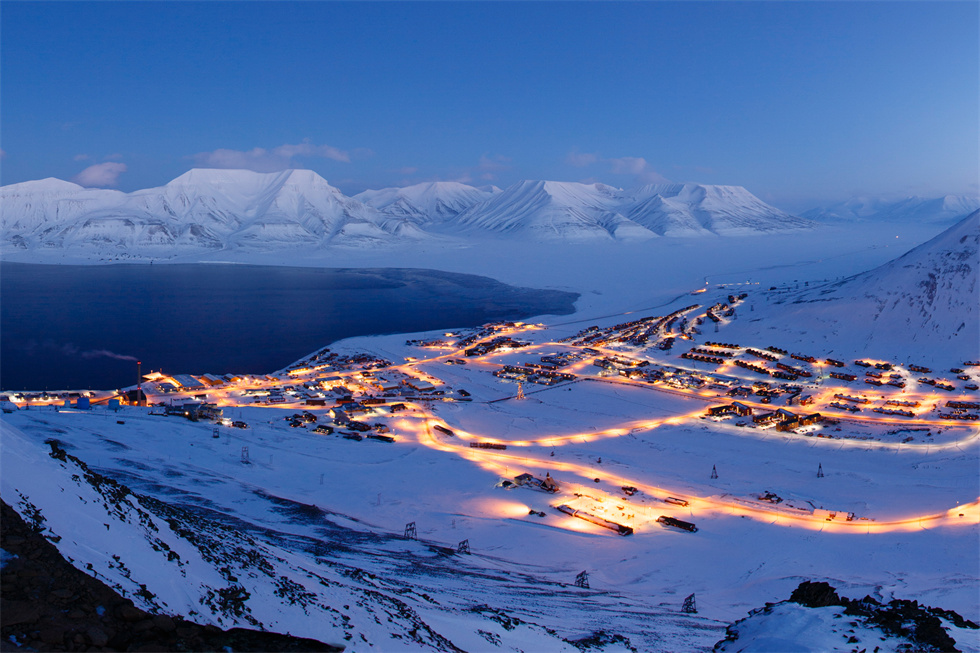
early morning,The Ocean Albatros docks at the port of Longyearbyen. After disembarking, you can visit the town on your own. Today, Longyearbyen has about 1,800 residents and has a variety of activity facilities, such as bars, shops, theaters, gymnasiums, churches, etc. The entire town is full of energy and Arctic style, and is a major supply station for exploring the Arctic. Take a flight from Longyearbyen back to Oslo, the capital of Norway.
Seat selection and payment instructions
1. Applicable seating range
"Preferred seats" usually refer to the front row area in the bus compartment (specifically based on the actual seat distribution on the bus that day). These seats enjoy a wider field of view, a more convenient boarding and alighting experience, and a relatively comfortable riding space.
2.Charging standards
(1) Itinerary of 8 days or less: USD 12/person/day
(2) Itinerary of more than 8 days: USD 15/person/day
The fee will be calculated on a daily basis based on the total number of days of the trip and will be charged once upon registration.
3. Reservation rules
(1) Voluntary choice: All tour participants can voluntarily choose whether to purchase preferred seat services when registering based on their own needs.
(2) First-come-first-served: The number of preferred seats is limited. Usually for models with 15 seats or above, the first three rows belong to the paid area. Confirmation is based on payment order, while stocks last.
(3) Priority for traveling together: If traveling companions (same order) need to book preferred seats at the same time, we will try our best to arrange adjacent seats.
4. Precautions
(1) The preferred seat fee does not include any other service content, but only the priority of seat location.
(2) If the car needs to be replaced due to weather, road conditions, vehicle scheduling, etc., we will try our best to provide a seat arrangement of equal value or refund the corresponding fee based on the actual number of days affected.
(3) For passengers who have not purchased this service, we will allocate other seats for free in rotation order, and try to ensure that the seats of traveling companions are adjacent to each other.
5.Refund policy
(1) If the order is canceled more than 7 days before the start of the trip, the preferred seat fee will be fully refunded;
(2) If canceled 3-7 days before the trip, 50% of the fee will be refunded;
(3) If canceled within 3 days before the trip, no refund will be given.
Itinerary instructions
Special instructions:
1. The above itinerary sequence, attractions, flights and accommodation locations may be temporarily changed, modified or replaced. The final itinerary is subject to the itinerary confirmed by our company before departure;
2. Our company reserves the right to change the itinerary and add price differences due to factors such as airlines, visas, governments, weather, etc.;
3. The flight numbers and times listed in the itinerary are for reference only, and reasonable adjustments will be made based on the actual situation;
Travel information
1. Gathering and boarding requirements
(1) All tour group members must gather on time and depart on time. Please arrive at the pick-up location 15 minutes in advance. Our company's tour bus will not wait. If you fail to gather and set off at the agreed time and location, or fail to join midway, you will be deemed to have given up automatically and the fee will not be refunded.
(2) The pick-up and drop-off times stated in the tour notice are all estimated times, and the specific pick-up and drop-off locations are subject to confirmation by the company. If due to traffic conditions or other special circumstances, our company's bus cannot arrive at the boarding location on time or the time is temporarily changed, our company will notify you in time, so please be patient.
2. Vehicle and luggage requirements
(1) Passenger buses are divided into three types: buses, minibuses and minibuses. Generally, buses have luggage compartments dedicated to storing luggage, while minibuses and minibuses have relatively smaller spaces for luggage storage. In view of the limited space in the luggage compartment of the bus, it is recommended not to carry too much luggage when traveling. Our company will arrange vehicles according to the final group size, ensuring one person per person.
(2) In order to avoid overcrowding in front of the scenic spots, the bus parking areas in most cities are far away from the scenic spots, and drivers are not allowed to park casually. Violators will be subject to heavy fines. If necessary, the pick-up and drop-off location may be some distance away from the attraction. Please understand.
3. Safety tips for taking a bus
(1) Smoking in the car is prohibited.
(2) Please do not bring prohibited items.
(3) Do not fiddle with anything on the car at will to avoid unnecessary damage.
(4) During the temporary stop of the bus, obey the tour guide’s arrangements and do not stay away from the group.
(5) When group members get off the bus for sightseeing, dining, or shopping, please close the windows of the tour vehicle and carry your valuables with you. The travel agency is not responsible for any loss or theft.
(6) Due to the long journey time and heavy vehicle loads, if the car breaks down and affects the itinerary, the travel agency will quickly take remedial measures and ask the group members to actively cooperate.


